Diagnose First, Dig Second
A soggy yard is a symptom. The cause could be a low spot, soil that takes water slowly, downspouts emptying beside the house, runoff arriving from higher ground or grade that tilts the wrong way. Each has a different remedy, and a French drain is only one of them.
Why Memphis Yards Hold or Lose Water
Much of the ground around Memphis formed from loess, a fine silt. Soil types vary from lot to lot: USDA descriptions of soils mapped in this region range from well drained to poorly drained, and some have a dense layer that slows water moving downward. Silty ground that is bare can also erode. Because conditions change over short distances, what worked in a neighbor's yard may not suit yours.
Warning Signs
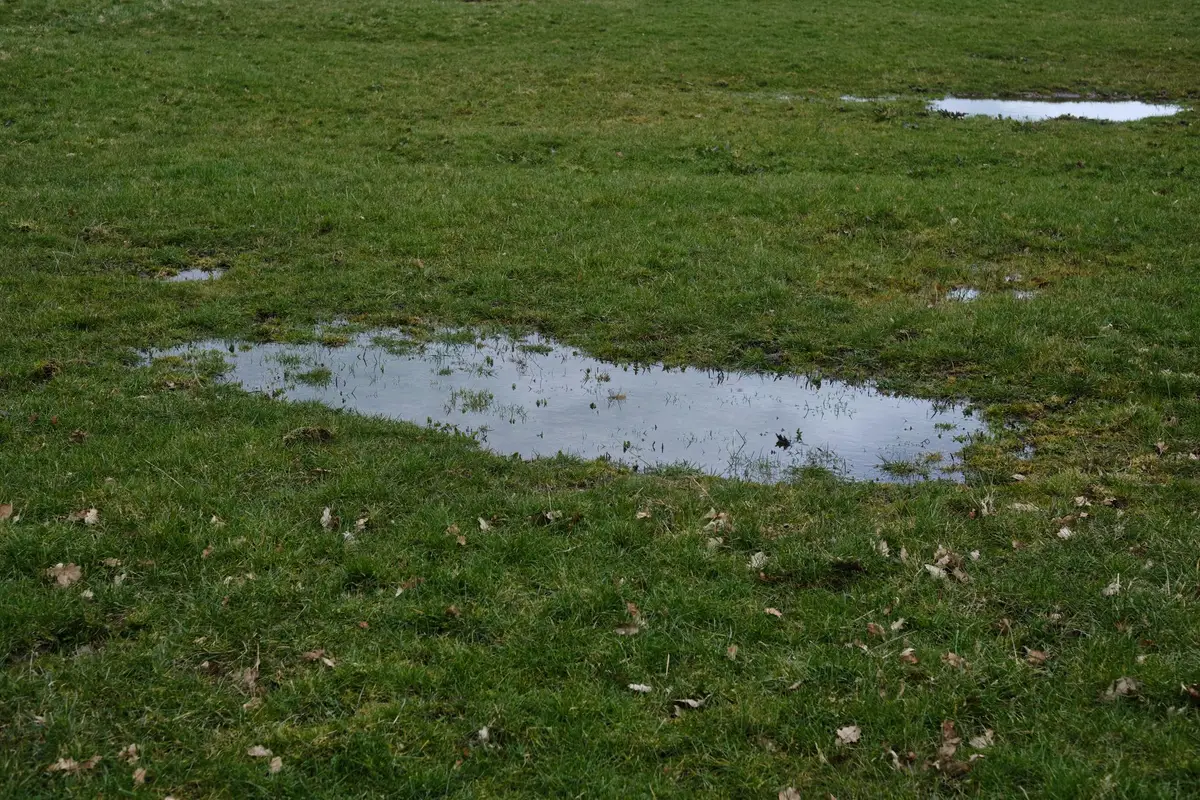
- Puddles that linger after the rest of the yard has dried.
- Moss, thinning grass or mud in the same place each season.
- Mulch or soil washing across walks.
- Channels cut into bare ground.
- Water pooling near the house or at the base of fence posts.
How a Drainage Job Is Worked Out
- Trace the water. Rain-day photos and your own observations show where it starts and stops.
- Check grade and outlet. Without somewhere for water to go, a trench only holds it.
- Choose the remedy: surface grading, downspout changes, a drain or a combination.
- Locate utilities. Give Tennessee 811 at least three working days of notice before trenching.
- Build and restore. After installation, the surface is closed up and ground cover planned so soil does not wash.
Drainage Cost Factors
- Length and depth of any trench.
- Distance and fall available to a suitable outlet.
- Soil, tree roots and buried obstacles.
- Access, and whether fencing or paving is in the way.
- How much grass or bed area needs restoring afterward.
Why Start the Conversation With LC Landscaping
Water problems often turn up alongside other yard work, such as replacing grass that drowned. Describe both together. Ask what the quote covers, and expect that some conditions may call for an engineer, a plumber or a city review.
Drainage Requests by Area
We take yard drainage requests around Memphis. See notes for Memphis and Cordova.