Starting a Lawn, or Starting Over
Grass installation covers establishing new grass where there is none, or where what remains is too thin to recover. That might be after construction, along a freshly built fence line or in a back yard worn to dirt.
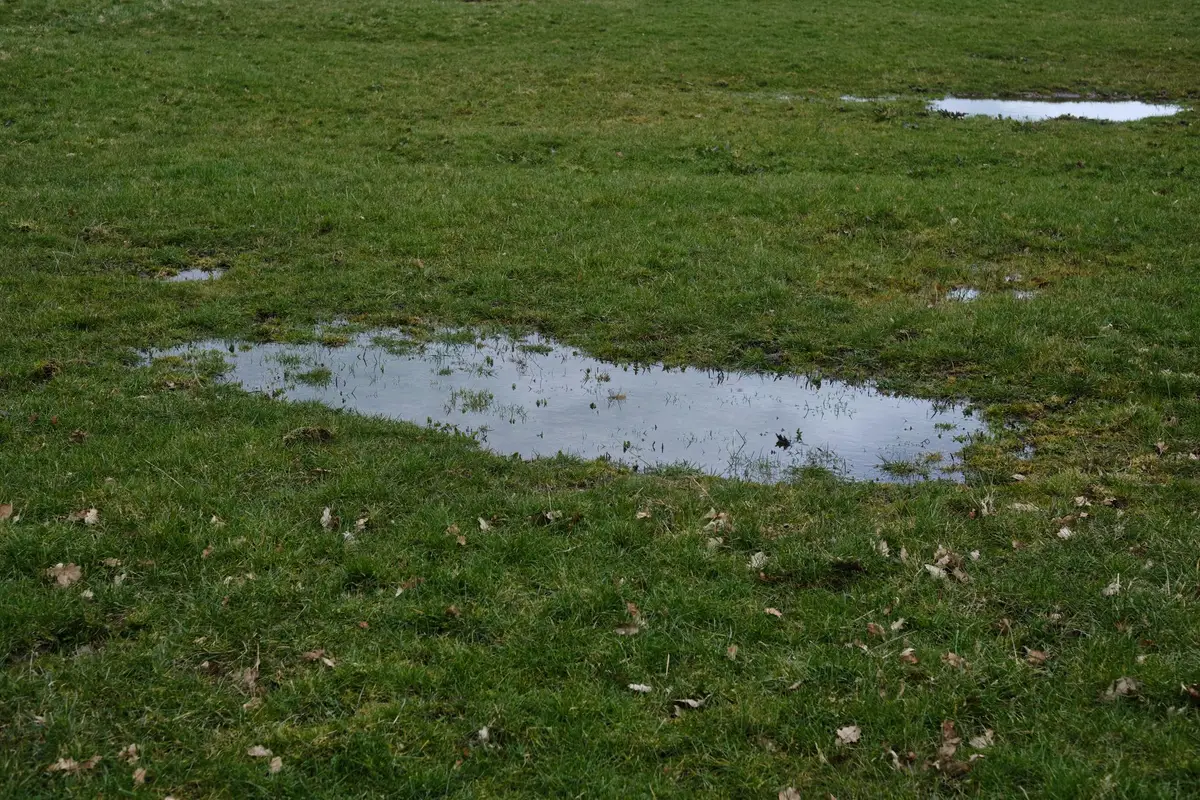
The ground does most of the deciding. Compacted soil sheds water and resists roots. Low spots drown seedlings, and uneven grade makes mowing rough for years. Preparation is where a new lawn is won or lost.
Signs a Yard Needs New Grass
- Large bare areas that stay bare through the growing season.
- More weeds than grass.
- Exposed soil washing onto walks or into the street after storms.
- Ground disturbed by digging or building work.
From Dirt to Established Lawn
- Assess the site: sun, drainage, traffic and what failed before.
- Clear it: remove debris, rocks and unwanted growth.
- Grade and loosen: shape the surface so water moves away from the house, then loosen the top layer.
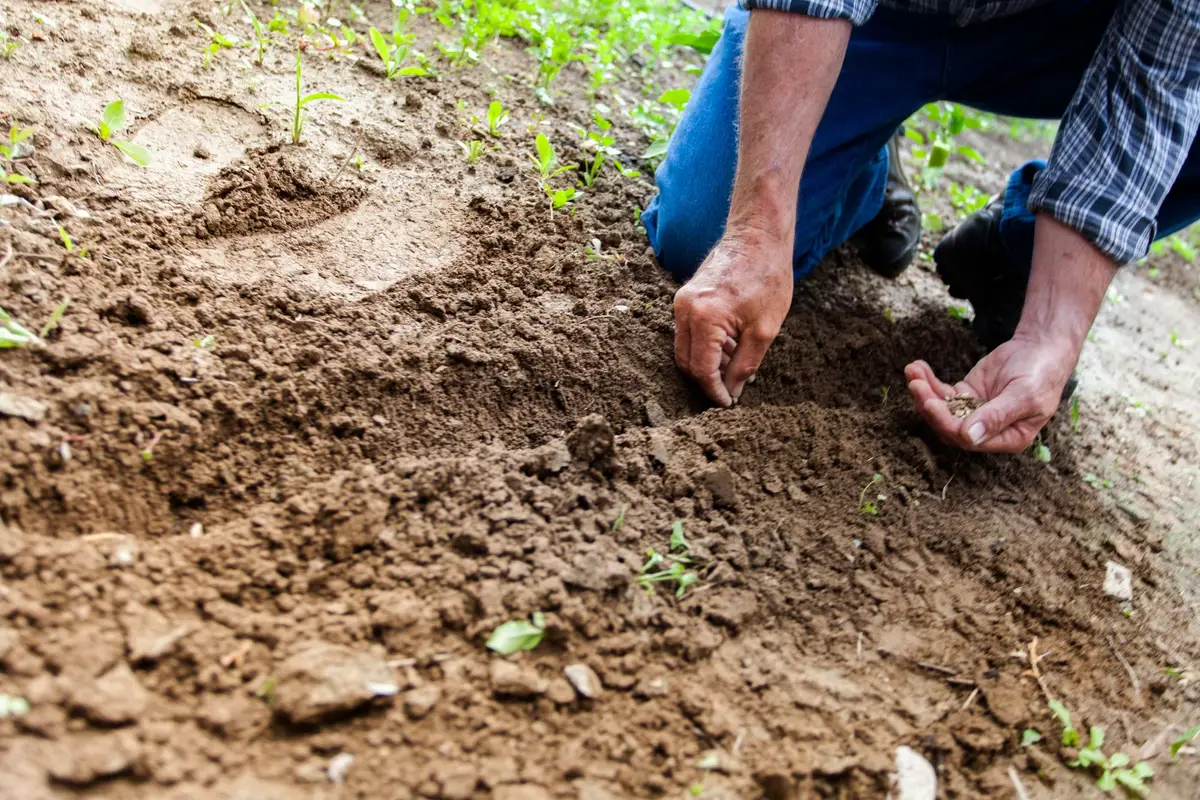
- Plant: choose the grass and method together, matched to the season.
- Establish: keep it consistently moist at first, then water more deeply and less often as roots develop. Agree on who handles watering.
Timing Matters Here
Warm-season grasses are usually better suited to the hotter, drier west end of Tennessee, and they need warmth to get going. Planting seed, plugs or sprigs late in the year gives them little chance to establish before cold arrives. Winter is a good time to sort out grading, shade and water problems so the area is ready for late spring.
What Shapes the Quote
- Square footage of the area to be planted.
- How much clearing, grading and soil work is needed first.
- The grass type and planting method you choose.
- Access for tools and materials.
- Whether drainage should be addressed before planting.
Why Discuss It With LC Landscaping
New grass often follows another job. Because we also take fence, mowing and mulch work, you can discuss the order of operations, such as finishing fence posts before the ground beside them is planted.
Areas for New Grass
We take grass installation requests around Memphis. See our local notes for Cordova and Memphis.